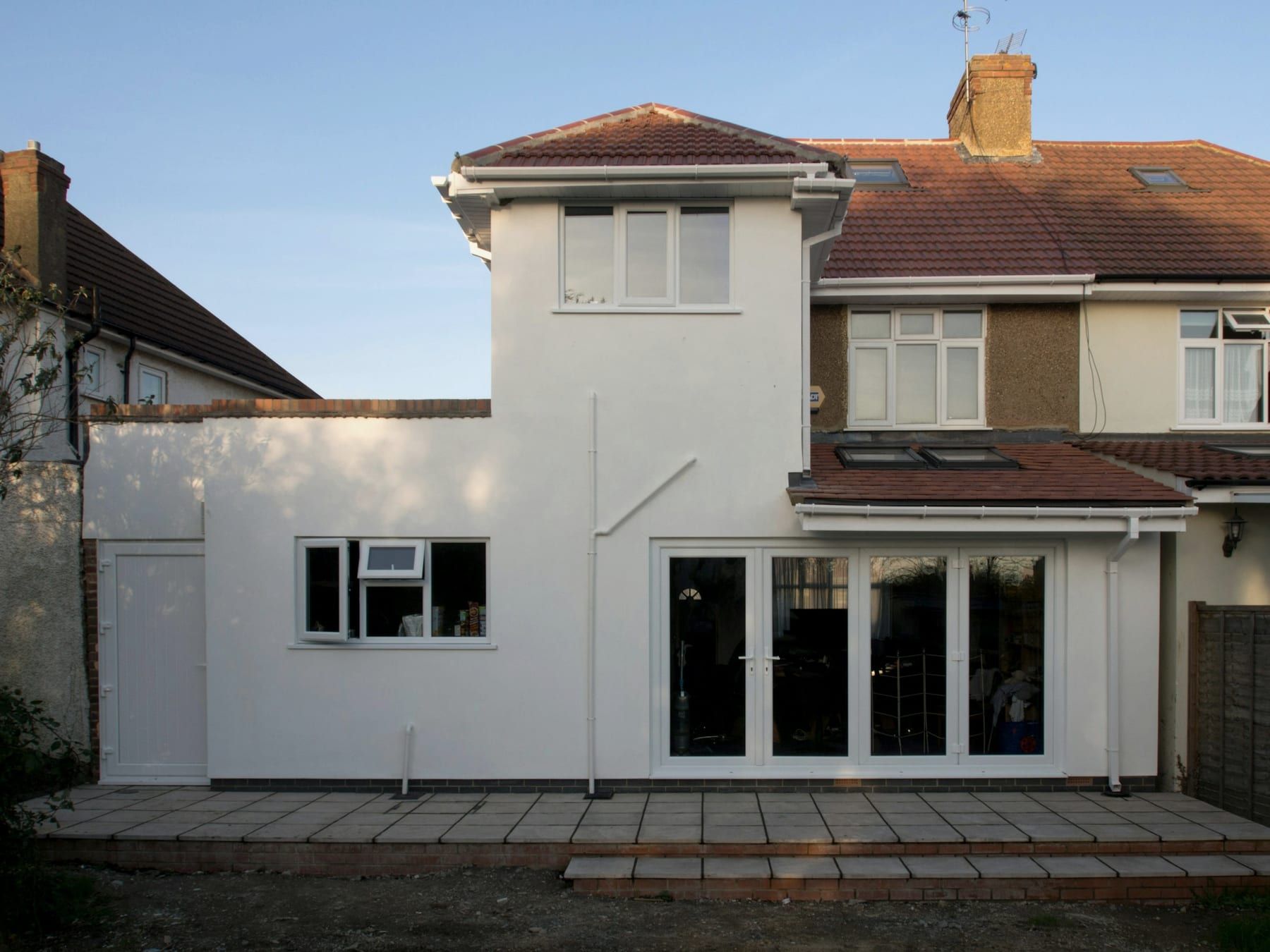
Signs your flat roof needs attention
- water sitting in puddles long after rain
- cracks, splits or blisters in the covering
- edges and trims that have lifted or come away
- damp patches or leaks inside, often on the ceiling near a wall
- a deck that feels soft or springy underfoot
- moss and plants growing on the roof
Repair or replace
Small splits, a lifted edge or a failed flashing where the roof meets a wall can often be repaired. If the covering has reached the end of its life, the deck underneath is damaged, or the roof keeps leaking in different places, it is better to strip and replace it.
What a replacement involves
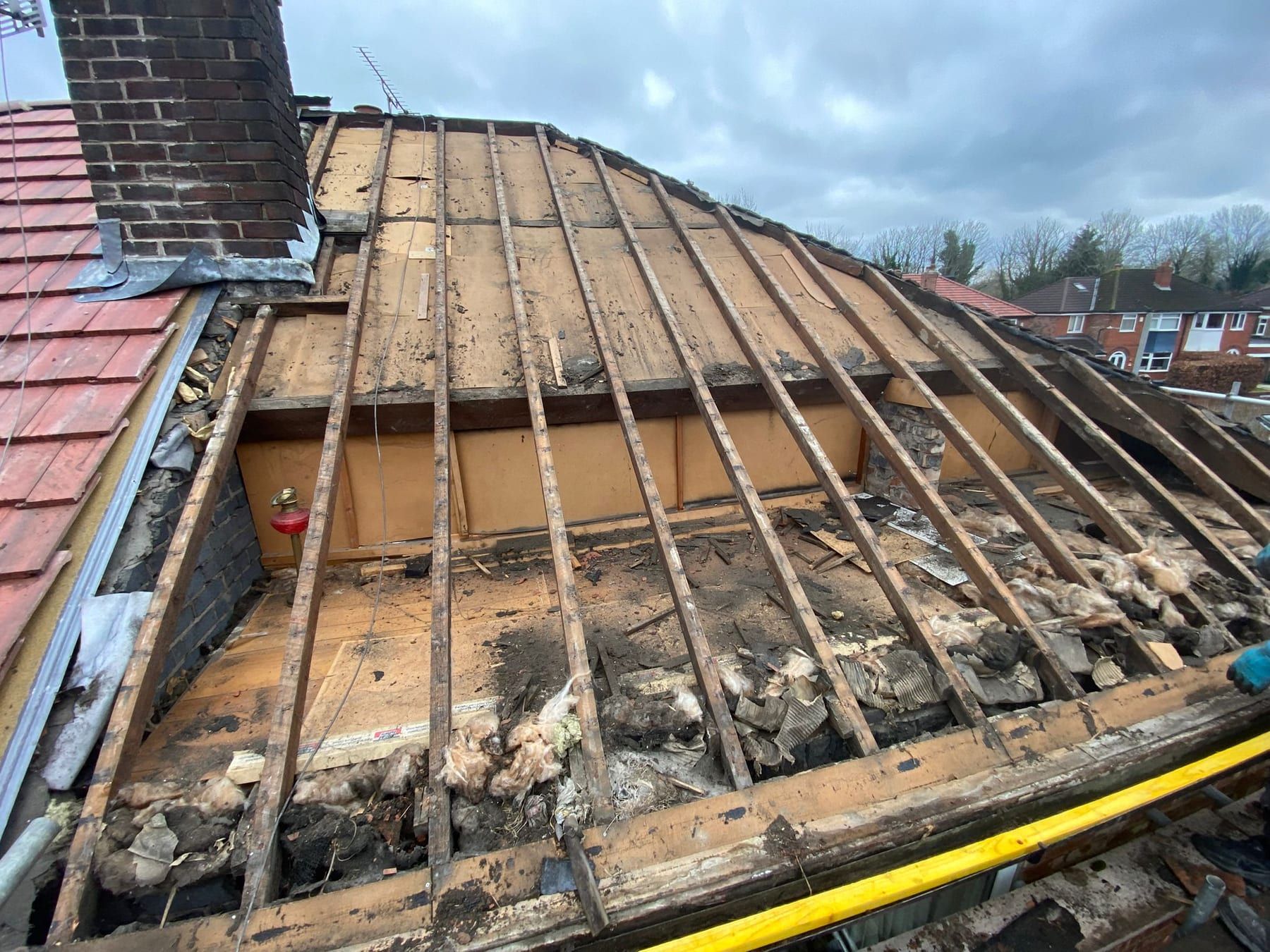
- Strip back. The old covering comes off, and the deck underneath is checked.
- Repair the deck. Any rotten or soft boarding is replaced so the new roof has a sound base.
- Falls and edges. The roof is set up so water runs off to the gutter or outlet, and new edge trims are fitted.
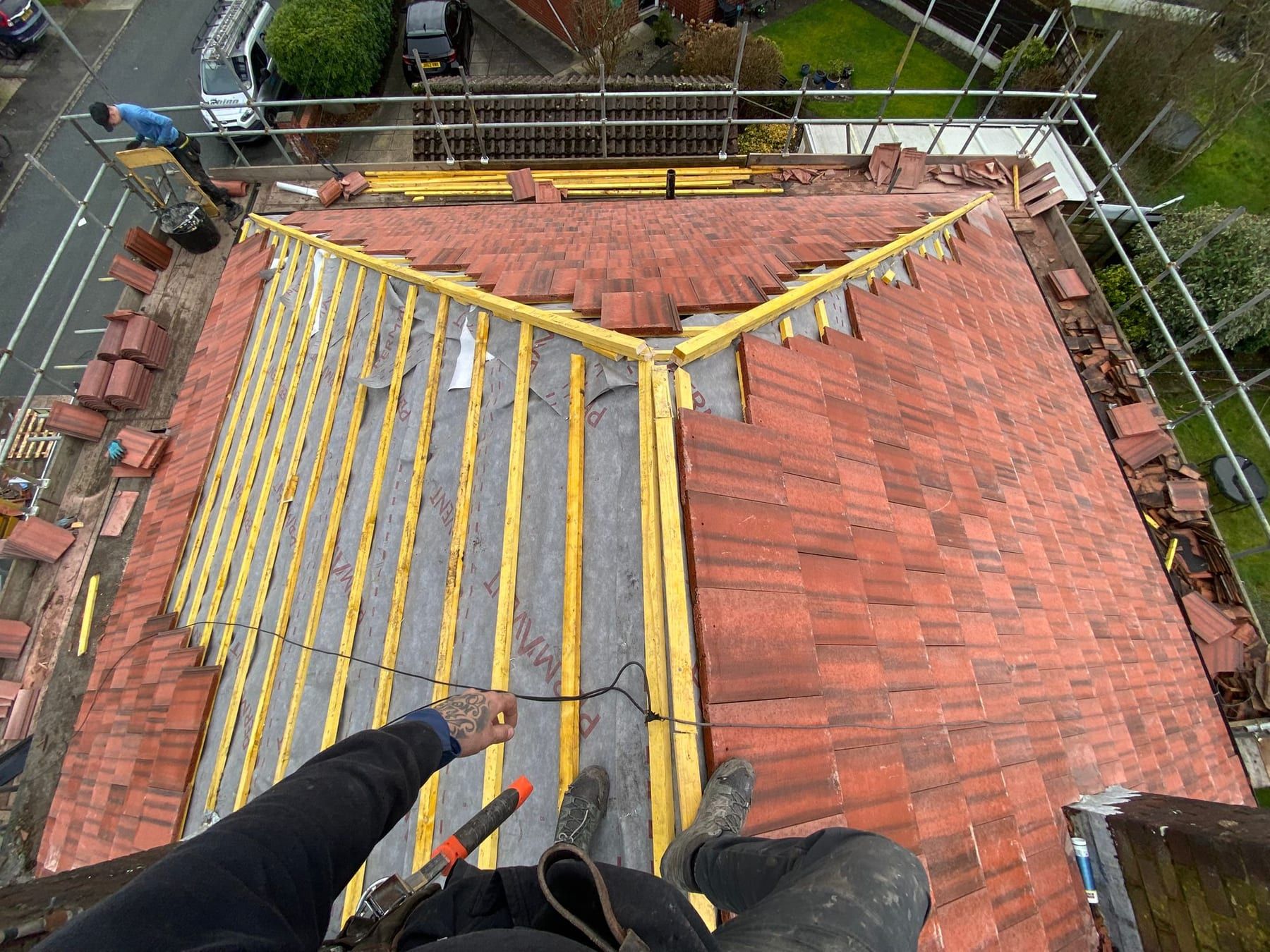
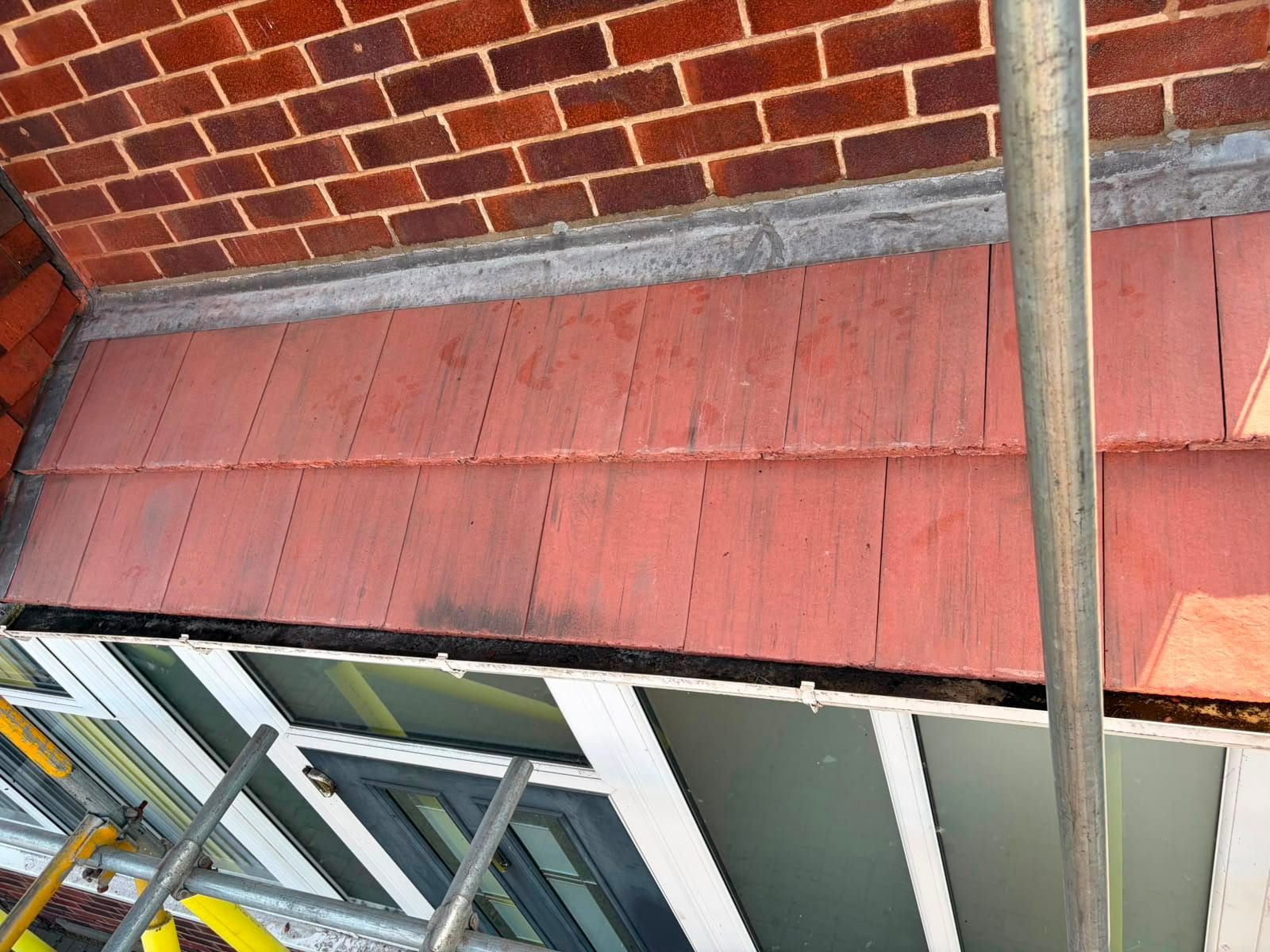
- New covering. The new flat roof covering is laid and sealed, including where it meets walls, roof windows or the main roof. See lead work for flashings.
- Gutters and clear up. Gutters and outlets are checked, and the waste is taken away.
Flat roof materials
- Felt is the traditional option and is still widely used.
- Rubber membranes (EPDM) come in large sheets, which means few joins.
- Fibreglass (GRP) gives a hard, seamless finish that suits roofs people may walk on.
Jon will explain which suits your roof, and why.
Common flat roofs
Rear kitchen extensions, garages, porches, bay windows and dormers are where most flat roofs are found on houses across Greater Manchester and Warrington. If yours is leaking, see leak repairs.
Quotes are free. Send Jon a photo of the roof and the area inside where you can see damp, and he can give you an idea before he visits.